
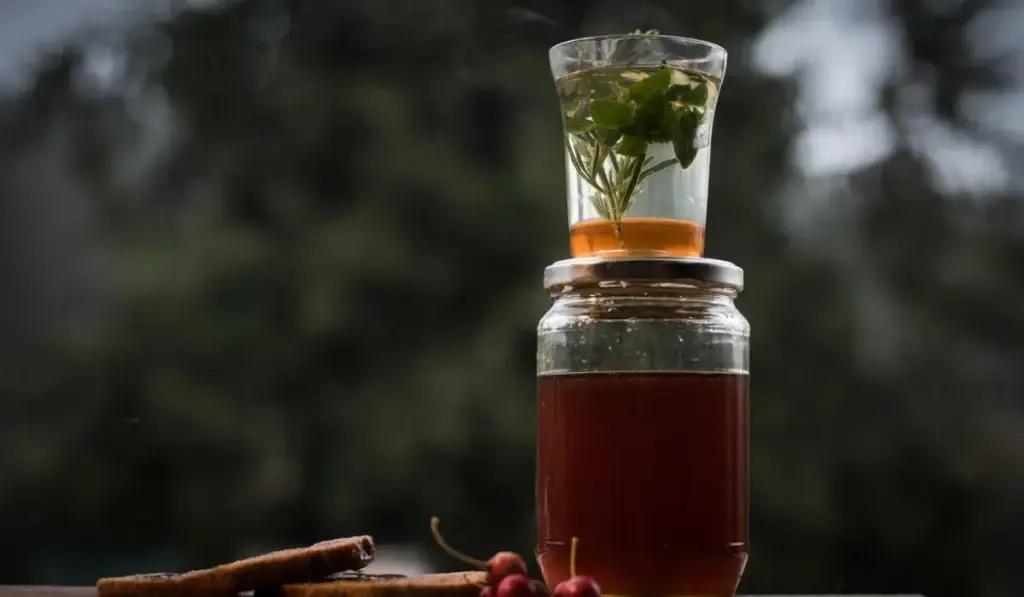
Nepal is the birthplace of the world’s most extraordinary honey. Not just rare — genuinely one of a kind. No other place on earth produces mad honey at the altitude, potency, and cultural depth that Nepal does.
At Original Mad Honey, we have spent years working directly with the Gurung honey hunters of Lamjung, Nepal. We have visited the cliffs, witnessed the harvests, and built relationships with the communities that have kept this tradition alive for centuries. Everything in this guide comes from that direct experience — not secondhand research.
Here is the complete story of mad honey from Nepal: where it comes from, what the science actually says, how it has been used throughout history, and what you need to know before you try it.
🍯 Ready to Experience Authentic Nepal Mad Honey?
Nepal's Mad Honey — Why This Country Produces the Most Potent Honey on Earth
Nepal is not just one of many sources of mad honey. It is the source.
The combination of geography, altitude, and ecology that exists in Nepal’s Himalayan foothills is unlike anywhere else on the planet. Specifically, the Annapurna Conservation Area and districts like Lamjung, Kaski, and Mustang sit at elevations between 2,500 and 3,500 meters — the precise altitude range where Rhododendron arboreum and Rhododendron campanulatum bloom most densely.
These rhododendron species contain the highest concentrations of grayanotoxin found in any flowering plant. The giant Himalayan honeybee — Apis dorsata laboriosa — forages exclusively on these flowers during the spring bloom, producing honey with grayanotoxin levels that simply cannot be replicated anywhere else.
Turkey also produces a version of mad honey from the Black Sea region, using a different rhododendron species. But Nepal mad honey — harvested at greater altitude from more potent rhododendron varieties — consistently tests at higher grayanotoxin concentrations. Among serious collectors and researchers, Nepalese mad honey is considered the gold standard.
3,500 Years of History — The Ancient Story of Mad Honey in Nepal
Mad honey in Nepal is not a recent discovery. The Gurung people of the Annapurna region have been harvesting it for at least 3,500 years — a tradition documented in rock paintings found in the Annapurna foothills that depict honey hunters on cliff ladders.
The Gurung Honey Hunters
The Gurung are an indigenous Tibeto-Burman ethnic group who have lived in the high-altitude valleys of central Nepal for millennia. Within Gurung communities, the art of cliff honey hunting is a specialized skill passed from father to son across generations.
Not every Gurung man hunts honey. The hunters — known locally as kuiche — are selected based on their knowledge of the cliffs, their physical strength, and their relationship with the bees. It is a position of genuine respect within the community.
The Traditional Harvest Ceremony
Before every hunt, the Gurung honey hunters perform a ritual ceremony to seek permission from the cliff spirits and the bees. Offerings of flowers, rice, and incense are made at the base of the cliff. Only after this ceremony is complete does the hunt begin.
This is not superstition — it is a sophisticated relationship with a dangerous environment, built over thousands of years of direct experience.
Mad Honey in Ancient Warfare
Nepal mad honey has a remarkable place in military history. In 65 BCE, the Roman general Pompey led his army through the Black Sea region in pursuit of King Mithridates of Pontus. Local villagers left combs of mad honey along the army’s path. The Roman soldiers consumed the honey, became incapacitated from grayanotoxin poisoning, and were slaughtered by Mithridates’ forces in one of the earliest recorded uses of a natural substance as a weapon.
This event — known as the Mad Honey Massacre — is documented by the Greek historian Strabo and stands as one of history’s most unusual military defeats.
The Science Behind Mad Honey from Nepal — What Research Actually Shows
Mad honey’s effects are not folklore. They are well-documented in peer-reviewed scientific literature. Here is what the research actually shows.
Grayanotoxin — The Active Compound
The psychoactive and medicinal properties of Nepal mad honey come entirely from grayanotoxin (GTX) — specifically grayanotoxin I and grayanotoxin III, the two variants found at highest concentrations in Nepalese rhododendron species.
Grayanotoxin is a diterpenoid neurotoxin that works by binding to voltage-gated sodium channels in nerve and muscle cells. In simple terms: it prevents these channels from closing properly, which keeps nerve cells in a partially activated state longer than usual.
At low doses, this produces:
- Peripheral vasodilation (warmth and tingling in the limbs)
- Mild reduction in blood pressure and heart rate
- A calm, euphoric sensation
- Increased parasympathetic nervous system activity (the “rest and digest” response)
At high doses, the same mechanism can cause:
- Bradycardia (dangerously slow heart rate)
- Severe hypotension (very low blood pressure)
- Nausea, vomiting, and loss of coordination
- In rare extreme cases, temporary loss of consciousness
Published Research on Nepal Mad Honey
Several peer-reviewed studies have specifically examined mad honey from Nepal:
A study published in Clinical Toxicology documented cases of grayanotoxin poisoning in Nepal, establishing the dose-response relationship that now informs safe consumption guidelines worldwide.
Research published in the Journal of Ethnopharmacology documented traditional medicinal uses of mad honey in Nepalese communities, including its use for hypertension management, gastrointestinal conditions, and as a natural sleep aid — uses that are now being examined in formal pharmacological studies.
A 2019 study in Molecules examined the specific grayanotoxin profile of Nepalese rhododendron honey and confirmed that Nepal produces significantly higher concentrations of GTX-I and GTX-III compared to other global sources.
The Blood Pressure Connection
One of the most studied therapeutic applications of Nepal mad honey is its effect on blood pressure. Grayanotoxin’s ability to lower blood pressure has been documented consistently across multiple studies. In traditional Gurung medicine, small daily doses of mad honey have been used for generations to manage hypertension — a use that modern pharmacological research is now validating.
The Nepal Mad Honey Harvest — Inside the Most Dangerous Tradition in the World
Twice a year — in spring (April–May) and autumn (October–November) — the Gurung honey hunters of Lamjung undertake a harvest that has no equivalent anywhere else in the world.
The Cliffs
The giant Himalayan honeybee builds its hives exclusively on sheer cliff faces — typically south-facing rock walls between 60 and 100 meters (200–300 feet) high. These locations are chosen by the bees for their exposure to sunlight and inaccessibility to predators. They are also extraordinarily dangerous for humans to access.
The Equipment
Gurung honey hunters use equipment that has changed very little in thousands of years:
- Rope ladders (toko) — woven from bamboo and hemp, these ladders are lowered from the cliff top and can extend over 100 meters in length. They sway freely in the mountain wind as the hunter climbs.
- Smoke baskets (tangos) — long bamboo poles with smoldering plant material at the end, used to calm the bees before the honeycomb is cut. A skilled hunter can manage thousands of bees with smoke alone.
- Harvest baskets — hand-woven from bamboo, lowered by rope to collect the honeycombs as they are cut from the cliff face.
The Spring vs Autumn Harvest
Spring harvest (April–May) is when rhododendrons are in full bloom and grayanotoxin concentration in the nectar is at its peak. Spring mad honey from Nepal consistently tests at higher grayanotoxin levels and is considered the more potent of the two annual harvests. This is the honey that Original Mad Honey prioritizes for its highest-grade batches.
Autumn harvest (October–November) occurs after the rhododendron season has ended. Grayanotoxin levels are lower, and the honey has a milder effect profile — sometimes preferred by those using it for daily wellness purposes rather than a more pronounced experience.
Mad Honey Nepal Effects — A Factual Account
Nepal mad honey produces a distinct set of effects that are well-documented and consistent across users when consumed at appropriate doses. Here is an honest account of what to expect.
At a Low Dose (¼ to ½ teaspoon)
- Gentle warmth spreading through the chest and limbs within 30–60 minutes
- Mild tingling in the lips, fingertips, and tongue (a characteristic grayanotoxin effect)
- A calm, relaxed mental state without sedation
- Slightly lowered heart rate — noticeable but not uncomfortable
- Duration: 2–4 hours
At a Standard Dose (½ to 1 teaspoon)
- More pronounced warmth and relaxation
- Mild euphoria — a sense of wellbeing and mental clarity
- Noticeable reduction in anxiety and physical tension
- Improved sleep quality when taken in the evening
- Duration: 3–6 hours
At a High Dose (above 1.5 teaspoons) — Not Recommended
- Dizziness and difficulty standing
- Nausea and potentially vomiting
- Very slow heart rate and low blood pressure
- These effects constitute grayanotoxin poisoning and require medical attention if severe
The critical factor is that Nepal mad honey — sourced from high-altitude cliffs with peak-season rhododendron nectar — is significantly more potent than mad honey from other sources. Dosage guidelines that apply to lower-grade products may not apply here. This is why we provide lab-verified grayanotoxin concentration data with every batch we sell.
Safety Facts Every Buyer of Nepal Mad Honey Must Know
Nepal mad honey is safe when used correctly. It has been consumed by Gurung communities for thousands of years without the catastrophic outcomes that sensationalized media coverage sometimes implies. But it requires genuine respect and informed use.
Safe Use Guidelines
- Never exceed 1 teaspoon in a single sitting until you fully understand your individual response
- Always consume on an empty stomach for more predictable absorption
- Never combine with alcohol, blood pressure medication, or heart medication
- Wait at least 60 minutes before considering any additional dose
- Do not drive or operate machinery for at least 6 hours after consumption
Who Should Not Use Nepal Mad Honey
- Pregnant or breastfeeding women
- Anyone under 18 years of age
- People with diagnosed heart conditions or arrhythmia
- Anyone taking antihypertensive medication
- People with naturally low blood pressure (below 90/60 mmHg)
Recognizing Grayanotoxin Poisoning
If someone has consumed too much Nepal mad honey, symptoms typically appear within 20–30 minutes and include sudden dizziness, nausea, profuse sweating, and a very slow pulse. In most cases, symptoms resolve naturally within 6–12 hours with rest and hydration. Severe cases — particularly those involving very slow heart rate or loss of consciousness — require immediate medical attention. Always inform the treating physician that grayanotoxin is involved, as standard toxicology screens will not detect it.
🏔️ Limited Spring 2026 Harvest — Don't Miss Out
How to Get Mad Honey from Nepal — The Right Way
The global demand for Nepal mad honey has created a market flooded with fakes, diluted products, and outright scams. Here is how to navigate it correctly.
The Supply Chain Problem
Authentic mad honey from Nepal travels through a supply chain that begins on a cliff face in Lamjung and ends at your door. Every step in between is an opportunity for adulteration — mixing genuine mad honey with regular honey to increase volume, or selling regular honey entirely while claiming it is mad honey.
Without lab testing, it is essentially impossible to verify authenticity by appearance or taste alone. Grayanotoxin is colorless and has no distinctive flavor. A skilled counterfeiter can create a product that looks and tastes identical to the real thing.
What Authentic Nepal Mad Honey Looks Like
Real mad honey from Nepal has a characteristic dark amber to reddish-brown color — deeper and richer than standard commercial honey. It has a complex floral aroma with slight bitterness. The texture is thick and slightly granular when raw and unfiltered.
These characteristics are indicators — not proof. Lab testing is the only genuine verification.
How We Source Mad Honey from Nepal at Original Mad Honey
We work exclusively with a network of Gurung honey hunting families in the Lamjung district. We have direct relationships — not broker relationships — with the communities that harvest each batch.
Every batch of Original Mad Honey goes through:
- Field verification — confirmed harvest location, date, and hunter identity
- Laboratory analysis — grayanotoxin I and III concentration testing, purity verification, microbial screening
- Batch numbering — every jar is assigned a unique batch number traceable to a specific harvest
- QR verification — scan the QR code on your jar to view the lab results and harvest details for that specific batch
This is the standard we believe the entire industry should operate to. Very few sellers come close to it.
Ordering Nepal Mad Honey Worldwide
Original Mad Honey ships directly from Nepal to customers in USA, UK, Canada, Europe, and beyond using DHL and FedEx Express. Every order includes:
- Full shipment tracking from dispatch to delivery
- Lab certificate for your specific batch
- Dosage guidelines based on the verified grayanotoxin concentration of your jar
- 30-day money-back guarantee
Delivery to the USA typically takes 6–12 business days. UK and Europe: 8–14 business days.
Nepal Mad Honey vs Turkish Mad Honey — Key Differences
Nepal Mad Honey | Turkish Mad Honey | |
|---|---|---|
Region | Annapurna, Lamjung, Mustang | Kaçkar Mountains, Black Sea |
Bee Species | Apis dorsata laboriosa | Apis mellifera |
Rhododendron Species | R. arboreum, R. campanulatum | R. ponticum, R. luteum |
Altitude | 2,500–3,500m | 1,000–2,500m |
Grayanotoxin Level | Higher concentration | Moderate concentration |
Harvest Method | Cliff hunting, rope ladders | Conventional hive access |
Annual Production | Extremely limited | Slightly more available |
Potency | Generally stronger | Milder |
For those seeking the most potent and historically significant mad honey, Nepal is the definitive source.
Frequently Asked Questions
Is mad honey from Nepal legal in my country?
Nepal mad honey is legal in the USA, UK, Canada, Australia, and most European countries. It is classified as a natural food product in these jurisdictions. Always check local import regulations if you are in a less common destination.
How long does it take to receive mad honey from Nepal?
Using DHL or FedEx Express, delivery to the USA takes 6–12 business days. UK and Europe typically receive orders within 8–14 business days. Full tracking is provided from dispatch.
How do I know if my Nepal mad honey is authentic?
Look for sellers who provide lab certificates, batch numbers, and QR code verification. Original Mad Honey provides all three with every order.
Can Nepal mad honey be used daily?
It can be used regularly, but daily use is not recommended. Limit consumption to 2–3 times per week. Regular use at low doses for therapeutic purposes should be discussed with a healthcare professional.
Does Nepal mad honey expire?
Pure raw honey has an extraordinarily long shelf life. Stored in a cool, dry place away from direct sunlight, Nepal mad honey retains its potency and safety for years. Do not refrigerate.
Is the spring or autumn harvest better?
Spring harvest Nepal mad honey has higher grayanotoxin concentrations and is generally considered more potent. Autumn harvest is milder and may suit those using it for daily wellness at low doses.
The Bottom Line on Mad Honey Nepal
Nepal is not just one source of mad honey among many. It is the origin of the world’s most potent, most historically significant, and most scientifically documented mad honey. The Gurung people have maintained this tradition for thousands of years — and the honey they harvest from the Himalayan cliffs of Lamjung is unlike anything produced anywhere else on earth.
If you want to experience authentic Nepal mad honey — lab tested, directly sourced, and traceable to a specific harvest and hunter — Original Mad Honey is where to start.