
What Makes Mad Honey Different from Regular Honey?
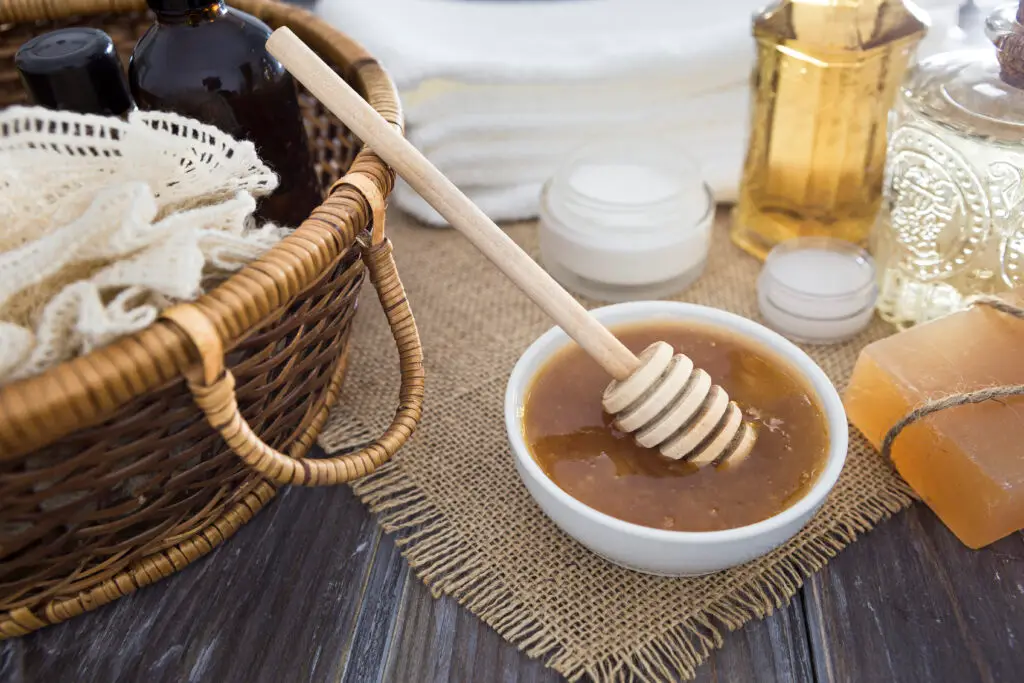
At first glance, mad honey does not look like anything special. It sits in a jar, dark and thick, the way good raw honey should. You might even mistake it for buckwheat honey or a strong wildflower variety.
But the moment you taste it — or feel its effects — you realize this is something entirely different.
Mad honey is not a variety of regular honey in the way that clover honey differs from manuka. It belongs in a category of its own. The differences go deeper than color or taste. They go all the way down to the chemistry, the geography, the bees, and the flowers they visit.
This article breaks all of that down clearly and honestly.
It Starts with a Different Flower
Every honey gets its character from the flowers bees visit. This is not a small detail. It is the entire story.
Regular honey — the kind most people buy, comes from bees that visit a wide variety of flowers. Clover, wildflowers, acacia, sunflower, lavender. The nectar from each plant is slightly different, which is why honeys from different regions and seasons taste different. But none of these nectars carry compounds that meaningfully affect the human body beyond the basic effects of natural sugar.
Mad honey is different because of one specific plant: Rhododendron.
Rhododendrons are large flowering shrubs that grow across the Himalayan mountain range in Nepal, and along the Black Sea coast of Turkey. They bloom brilliantly in spring, covering entire hillsides. And their nectar contains something no ordinary flower does a group of naturally occurring compounds called grayanotoxins.
When bees collect Rhododendron nectar, those grayanotoxins travel with it. Through the entire honey-making process the enzymatic breakdown, the evaporation, the storage the grayanotoxins remain. They end up in the finished honey at levels that are biologically active in humans.
That is the root of every difference between mad honey and regular honey.
The Science Behind Grayanotoxins
Grayanotoxins are not a poison in the traditional sense. They do not damage tissue or cause lasting harm in small amounts. What they do is interfere with how your nerve and muscle cells function.
Every cell in your body has channels that control the movement of sodium ions in and out. This movement is what allows nerves to fire and muscles including your heart to contract and relax in a controlled rhythm. Grayanotoxins bind to these sodium channels and hold them open longer than they should be.
The result is a cascade of effects: slowed heart rate, lowered blood pressure, altered nerve signaling, and in higher doses, dizziness, nausea, and disorientation.
Regular honey has none of this. Its chemical profile is almost entirely sugars fructose, glucose, and small amounts of other compounds like enzymes, pollen, and trace minerals. Healthy, nutritious, and biologically inert in terms of neurological effects.
Mad honey carries an additional layer of biological activity that no other honey in the world replicates at this level.
The Taste Is Not the Same
People who have tried both describe the difference clearly.
Regular honey is sweet — sometimes intensely so — with floral or fruity undertones depending on the source. It is immediately pleasant, easy to eat on its own or add to food and drinks.
Mad honey has a distinct bitterness underneath its sweetness. Some describe it as earthy. Others notice a slight numbing or warming sensation on the tongue almost immediately. The aftertaste lingers longer than regular honey, and there is something harder to define a depth that feels less like a condiment and more like a substance with purpose.
This is not a flaw. It is simply what real, potent mad honey tastes like. If you buy mad honey and it tastes exactly like the honey from your supermarket shelf, that is a problem worth investigating.
The Effects on the Body
This is the most significant practical difference, and the one that makes mad honey genuinely unique among all natural foods.
Regular honey, consumed in normal amounts, has no notable effect beyond providing energy and some antioxidant benefit. It is safe for almost everyone, including children, in ordinary quantities.
Mad honey affects the body in proportion to how much is consumed.
In small amounts typically around half a teaspoon to one teaspoon for most adults people report a warming sensation spreading through the body, mild dizziness, a noticeably slower and more relaxed heart rate, lowered blood pressure, and a feeling of calm that can last several hours. Some describe it as a deep, full-body relaxation unlike anything they have experienced from food before.
In larger amounts, the effects become more serious. Significant drops in blood pressure, pronounced dizziness, nausea, vomiting, and irregular heartbeat are all documented in cases of overconsumption. Medical attention has been required in some of these cases.
This dose-dependent nature is exactly why mad honey has always been used with precision and respect in the communities that know it best. The Gurung people of Nepal do not eat it by the spoonful. They have understood for generations that a little is powerful and a lot is dangerous.
A note on safety:
Mad honey is not appropriate for everyone. People with heart conditions, low blood pressure, or those on medication should avoid it. Pregnant and breastfeeding women should not consume it. If you are considering trying mad honey, start with a very small amount and consult a doctor if you have any health concerns.
Where It Comes From — and Why That Matters
Regular honey is produced on every continent except Antarctica. It is one of the most widely produced foods in the world, available in virtually every country, at every price point.
Mad honey comes from a very specific part of the world. The most authentic and potent mad honey is harvested in Nepal particularly in the Himalayan valleys where wild Himalayan cliff bees build their hives on sheer rock faces, sometimes hundreds of meters above the ground.
The Gurung tribe has been harvesting this honey for centuries. Using rope ladders, bamboo poles, and smoke to manage the bees, they make seasonal climbs twice a year once in spring, once in autumn. Spring honey, harvested during peak Rhododendron bloom, is generally considered more potent. Autumn honey is milder.
This is not a commercial farming operation. It is a living tradition, deeply connected to a specific landscape, a specific bee, and a specific flower. The quantities produced are small. The process is dangerous. And the result is something that simply cannot be replicated anywhere else.
Mad honey is also found in parts of Turkey, particularly near the Black Sea. Turkish mad honey has its own history it was reportedly used in ancient warfare, with enemies fed large quantities to incapacitate them and is still produced and sold today.
Rarity and Price
Regular honey is affordable and abundant. A large jar costs a few dollars in most countries.
Genuine mad honey from Nepal can cost anywhere from fifty to well over a hundred dollars per hundred grams. That is not marketing. It reflects the reality of what it takes to produce it the location, the harvesting method, the limited seasonal yield, and the growing global demand.
Because of this price gap, the market for mad honey has attracted dishonest sellers. Diluted products, mislabeled regular honey, and items with little to no actual grayanotoxin content are unfortunately common. Buying from a source that tests its honey and can verify its Nepali origin is not optional it is the only way to know what you are actually getting.
At Original Mad Honey, every batch is sourced directly from traditional harvesters in Nepal and verified for grayanotoxin content before it reaches customers. You can learn more about our sourcing on our About Us page, or browse what is currently available in our shop.
A Side-by-Side Summary
| Regular Honey | Mad Honey | |
|---|---|---|
| Source flower | Mixed varieties | Rhododendron (primarily) |
| Contains grayanotoxins | No | Yes |
| Taste | Sweet, floral | Earthy, slightly bitter |
| Color | Golden to amber | Dark, reddish |
| Body effects | Minimal | Noticeable, dose-dependent |
| Safe in large amounts | Yes | No |
| Origin | Worldwide | Nepal, Turkey (primarily) |
| Availability | Everywhere | Very limited |
| Price | Low to moderate | High |
The Bottom Line
Mad honey and regular honey share a process bees, flowers, nectar, enzymes, evaporation. But the flower changes everything.
Rhododendron nectar carries grayanotoxins into the honey. Those compounds stay through every stage of production. They change the taste, the effects on the body, the way you use it, and the care with which you should approach it.
Regular honey is a food. Mad honey is something more specific a rare, biologically active substance with a long history of traditional use, a clear set of risks, and a level of rarity that makes finding an authentic source genuinely important.
If you are curious about trying it, take the time to understand it first. Read about the effects, respect the dosage, and buy from a source you can verify.