
If you have ever stood in a grocery aisle staring at rows of honey jars, wondering why one costs three times more than the other, you are not alone. The short answer is this. Raw honey comes straight from the hive with almost nothing done to it, while regular honey usually goes through heavy heating and fine filtering that strips away much of what made it special in the first place. Labels like pure, organic, and unfiltered add even more confusion, since they do not all mean the same thing.
In this guide we will break down raw honey and honey in plain language, compare them side by side, and show you exactly how to spot the real thing when you are shopping. If you want to explore authentic raw honey while you read, you can visit Original Mad Honey at any point.
What Is Raw Honey?
Raw honey is honey exactly as the bees made it. It is extracted from the honeycomb and, at most, strained through a coarse mesh to remove large chunks of wax or bee parts. It is never heated to high temperatures and never passed through fine industrial filters.
Because of this light touch, raw honey keeps its natural enzymes, pollen, propolis, and antioxidants intact. It often looks cloudy or has a slightly thick, textured appearance, and it tends to crystallize faster than processed honey because the natural glucose crystals are not broken down by heat.
Most nutrition experts agree that raw honey is closer to honey in its most natural state. According to Healthline, raw honey is honey that comes directly from the hive and gets strained rather than pasteurized, which helps it retain more of its natural compounds.
What Is Regular or Processed Honey?
Regular honey, sometimes just labeled honey on a supermarket shelf, is typically pasteurized. This means it is heated to a high temperature, then passed through fine filters to remove pollen, wax fragments, and any tiny air bubbles.
The goal of this process is simple. It gives the honey a longer shelf life, a smoother texture, and a clear golden look that stays consistent from batch to batch. The tradeoff is that heat can reduce some of the natural enzymes and beneficial plant compounds found in raw honey. Regular honey also crystallizes much more slowly, which is one reason many commercial brands prefer it.
This does not make regular honey unsafe. It simply means it has been altered more from its original hive state, mainly for appearance and convenience rather than nutrition.
What Is Pure Honey?
Pure honey is a term that often causes confusion. On a label, pure honey usually means the product contains one hundred percent honey with no added sugar, syrup, or other sweeteners mixed in.
However, pure honey says nothing about how the honey was processed. A jar can be labeled one hundred percent pure honey and still be heavily heated and filtered. So while pure tells you what is not in the jar, it does not tell you how gentle or harsh the processing was. This is an important distinction when people ask whether pure honey and raw honey are the same thing, which we will cover in detail shortly.
What Is Raw and Unfiltered Honey?
Raw and unfiltered honey takes the idea of raw honey one step further. Unfiltered simply means the honey has not been passed through fine filters that remove pollen grains and tiny wax particles. Combined with raw, which means no pasteurization or high heat, you end up with honey that is as close as possible to what comes directly out of the honeycomb.
This is the type of honey most closely associated with brands like Nature’s Nate’s one hundred percent pure raw and unfiltered honey, which many shoppers recognize as a mainstream example of this category. Raw and unfiltered honey typically looks a bit cloudy, may contain small flecks of pollen or wax, and crystallizes into a soft, spreadable texture over time. None of this is a flaw. It is simply a sign of minimal processing.
Raw Honey vs Organic Honey
People often assume raw and organic mean the same thing, but they describe two completely different aspects of the honey.
Raw honey is about processing. It refers to how the honey was handled after it left the hive, meaning little to no heat and minimal filtering.
Organic honey is about farming and sourcing standards. For honey to be certified organic, the bees generally need to forage in areas free from pesticides and synthetic chemicals, and the beekeeping practices need to meet specific regulatory standards depending on the country.
This means honey can be raw but not organic, organic but not raw, both, or neither. A jar of raw honey and organic honey together simply means the honey was minimally processed and came from a certified organic source. If you care about pesticide exposure and farming practices, look for the organic label. If you care about processing and nutrient retention, look for the raw label. Ideally, a high quality jar will offer both.
Is Pure Honey and Raw Honey the Same?
This is one of the most common questions people search for, and the answer is no, they are not automatically the same.
Pure honey refers to purity of ingredients, meaning nothing has been added to dilute it. Raw honey refers to the level of processing, meaning it has not been heated or heavily filtered.
A jar can say one hundred percent pure honey and still be pasteurized and filtered, which would make it pure but not raw. On the other hand, honey that is raw and unfiltered is almost always also pure, since minimal processing rarely involves adding syrups or fillers. So while raw honey is usually pure, pure honey is not always raw. When you see is pure honey and raw honey the same question come up, this distinction is the key to understanding it.
Raw Honey vs Regular Honey: Side by Side Comparison
| Factor | Raw Honey | Regular or Processed Honey |
|---|---|---|
| Processing | Minimal, only strained | Pasteurized and finely filtered |
| Nutrients | Retains enzymes, pollen, antioxidants | Reduced due to heat and filtering |
| Appearance | Cloudy or textured | Clear and smooth |
| Crystallization | Faster, natural texture | Slower due to processing |
| Taste | Complex, floral, varies by source | Milder and more uniform |
| Health Benefits | Generally considered higher due to intact compounds | Present but reduced compared to raw |
Health Benefits of Raw Honey
Raw honey is often associated with a range of general wellness benefits, though it is important to keep expectations realistic and avoid treating honey as medicine.
Some commonly discussed benefits include its natural antioxidant content, which comes from plant compounds transferred through pollen and nectar. Raw honey is also frequently used as a soothing addition to warm drinks for occasional throat discomfort, and some people use it topically on minor skin irritations because of its natural properties. Its enzyme content, which is largely destroyed by high heat, is one of the main reasons people prefer raw honey over heavily processed versions.
Medical News Today notes that raw honey may offer some antioxidant and antibacterial properties, though more research is still needed to confirm the full extent of these benefits in humans.
It is worth being cautious here. Honey is not a replacement for medical treatment, and any health claims should be viewed as general wellness support rather than guaranteed results.
Risks and Safety Notes
While raw honey is safe for most healthy adults, there are a few important precautions to keep in mind.
Honey, including raw honey, should never be given to infants under one year of age due to the risk of infant botulism, a rare but serious illness caused by bacterial spores that can be present in honey. This applies to all types of honey, not just raw varieties.
People with pollen allergies should also be cautious, since raw and unfiltered honey retains natural pollen that could trigger a reaction in sensitive individuals. As with any natural food product, it is a good idea to introduce raw honey gradually and consult a doctor if you have specific health concerns.
How to Identify Real Raw and Unfiltered Honey
With so many products on the market, it helps to know what to look for when trying to find genuine raw and unfiltered honey.
Start by checking the label for words like raw, unfiltered, and unpasteurized together, rather than just pure or natural, which can be misleading on their own. Genuine raw honey usually crystallizes over time, so a jar that stays perfectly liquid for months in a cool room may have been heavily processed. Look at the texture and clarity as well. Real raw honey often has a slightly cloudy appearance rather than being perfectly clear like syrup.
It also helps to buy from sources that are transparent about their sourcing and testing. Brands that provide a lab report or clear information about where the honey comes from tend to be more trustworthy than generic supermarket labels with vague claims.
Why Himalayan Mad Honey Is Different From Regular Raw Honey
Most of what we have covered so far applies to standard raw honey made by common honeybee species. Himalayan mad honey is a different category altogether.
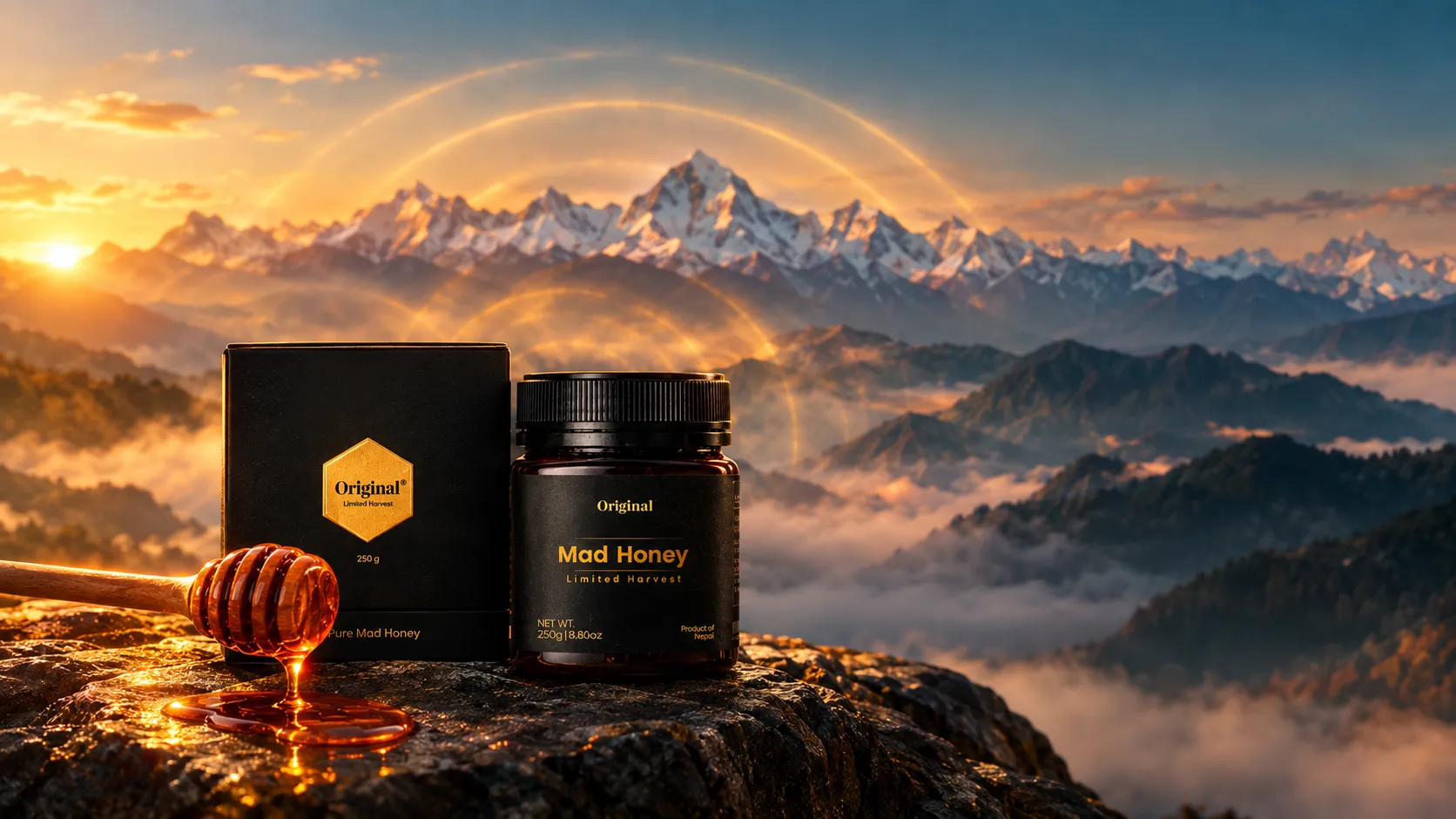
Mad honey is harvested from wild cliffs in the Himalayan region of Nepal, produced by the world’s largest honeybee, Apis laboriosa. You can read more about its origin and how it differs from ordinary honey. What sets it apart is not just that it is raw. It is one hundred percent raw, unfiltered, and unpasteurized by nature of how it is harvested, since it comes directly from wild combs on remote cliff faces rather than managed hives.
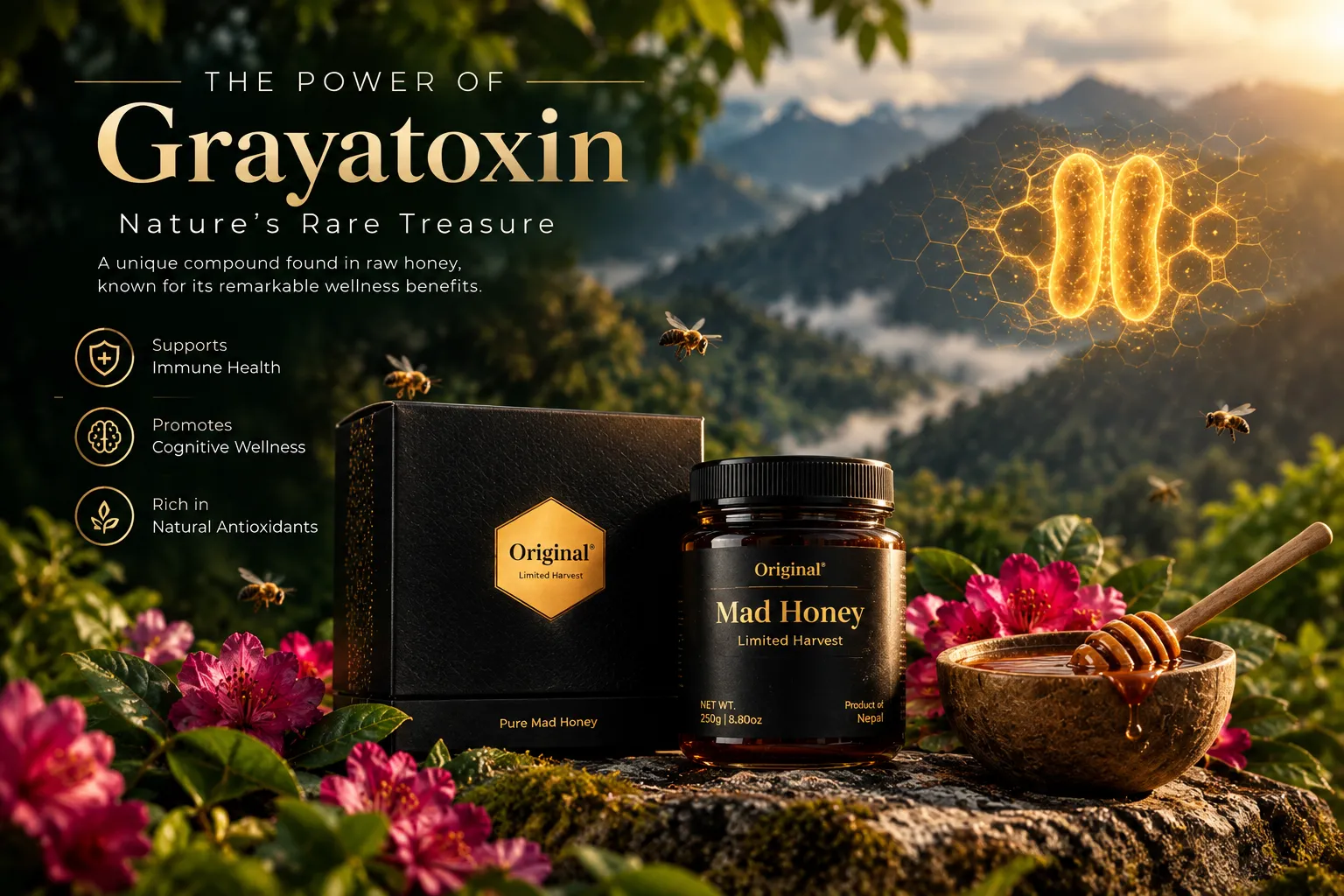
This honey also contains natural grayanotoxins from the rhododendron flowers the bees forage on, which is why it is treated with more caution and typically consumed in small, controlled amounts. Because of this, sourcing and testing matter even more with mad honey than with standard raw honey.
At Original Mad Honey, the honey is wild harvested by experienced local hunters, including the Gurung honey hunters whose traditional harvesting methods have been passed down for generations. Every batch is lab tested for transparency, so customers can see exactly what they are getting rather than relying on marketing claims alone. If you want to understand this honey in more depth, our complete guide to mad honey walks through its origin, effects, and traditional use in detail.
How to Choose the Best Raw Honey
When shopping for raw honey, a few simple habits can help you avoid low quality or mislabeled products.
Read the ingredient list first and make sure it says one hundred percent honey with nothing else added. Check for the words raw and unfiltered rather than relying on pure or natural alone. Look into the source of the honey, since single origin honey from a specific region often indicates more careful sourcing than generic blends. Finally, whenever possible, choose brands that offer lab testing or third party verification, since this is one of the clearest signs of a transparent and trustworthy product.
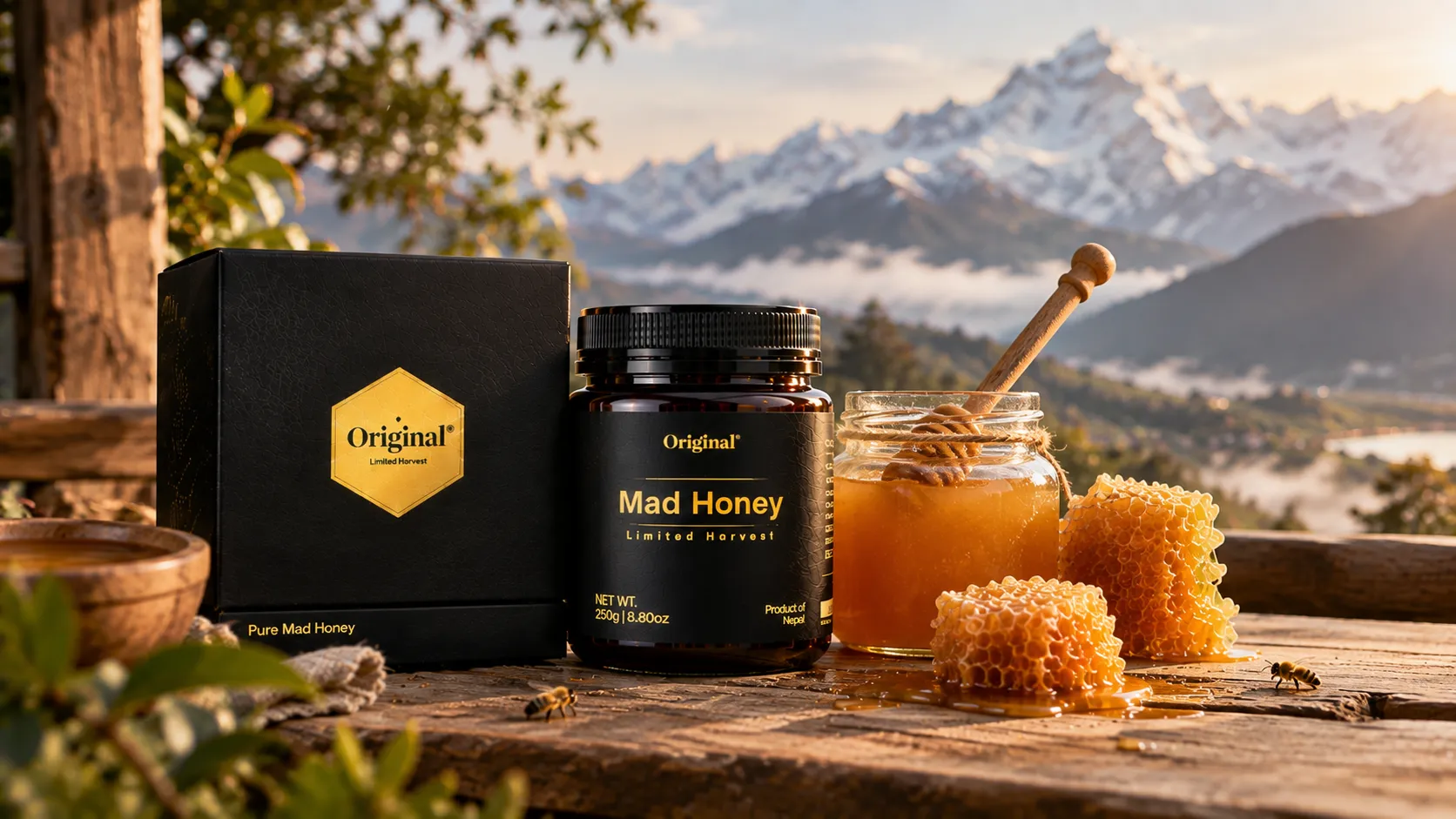
If you are specifically interested in wild harvested Himalayan raw honey, you can browse the available options in our shop, including the 250 gram jar and the 500 gram jar, depending on how much you would like to try.
Frequently Asked Questions
What’s the difference between raw honey and regular honey?
Raw honey is minimally processed and keeps most of its natural enzymes and pollen, while regular honey is pasteurized and finely filtered, which extends shelf life but reduces some natural compounds.
Is pure honey and raw honey the same?
Not always. Pure honey means no added sugars or syrups, while raw honey refers to minimal processing. Raw honey is usually pure, but pure honey is not always raw.
What is raw and unfiltered honey?
It is honey that has not been heated or passed through fine filters, so it retains natural pollen, wax particles, and a slightly cloudy texture.
Is raw honey the same as organic honey?
No. Raw refers to processing, while organic refers to farming standards and pesticide free sourcing. Honey can be one, both, or neither.
Can babies eat raw honey?
No. Honey of any kind, including raw honey, should never be given to children under one year old due to the risk of infant botulism.
Why does raw honey crystallize faster than regular honey?
Raw honey retains its natural glucose crystals since it is not heated at high temperatures, which causes it to crystallize more quickly than heavily processed honey.
Is Nature’s Nate’s honey a good example of raw and unfiltered honey?
Yes, Nature’s Nate’s one hundred percent pure raw and unfiltered honey is a well known commercial example of this category, often used as a reference point when comparing raw honey to other mainstream brands.
Which is healthier, raw honey or regular honey?
Raw honey is generally considered the healthier option since it retains more natural enzymes and antioxidants, though both types can be part of a balanced diet in moderation.
Final Thoughts
Understanding the difference between raw honey and honey helps you make a more informed choice the next time you shop. Raw honey keeps more of its natural character, pure honey tells you what is not added, organic honey speaks to farming practices, and unfiltered honey reflects how gently it was handled.
If you want to experience raw and unfiltered honey in one of its purest and most traditional forms, explore our range of wild harvested Himalayan mad honey and see the difference that authentic sourcing and careful lab testing can make.