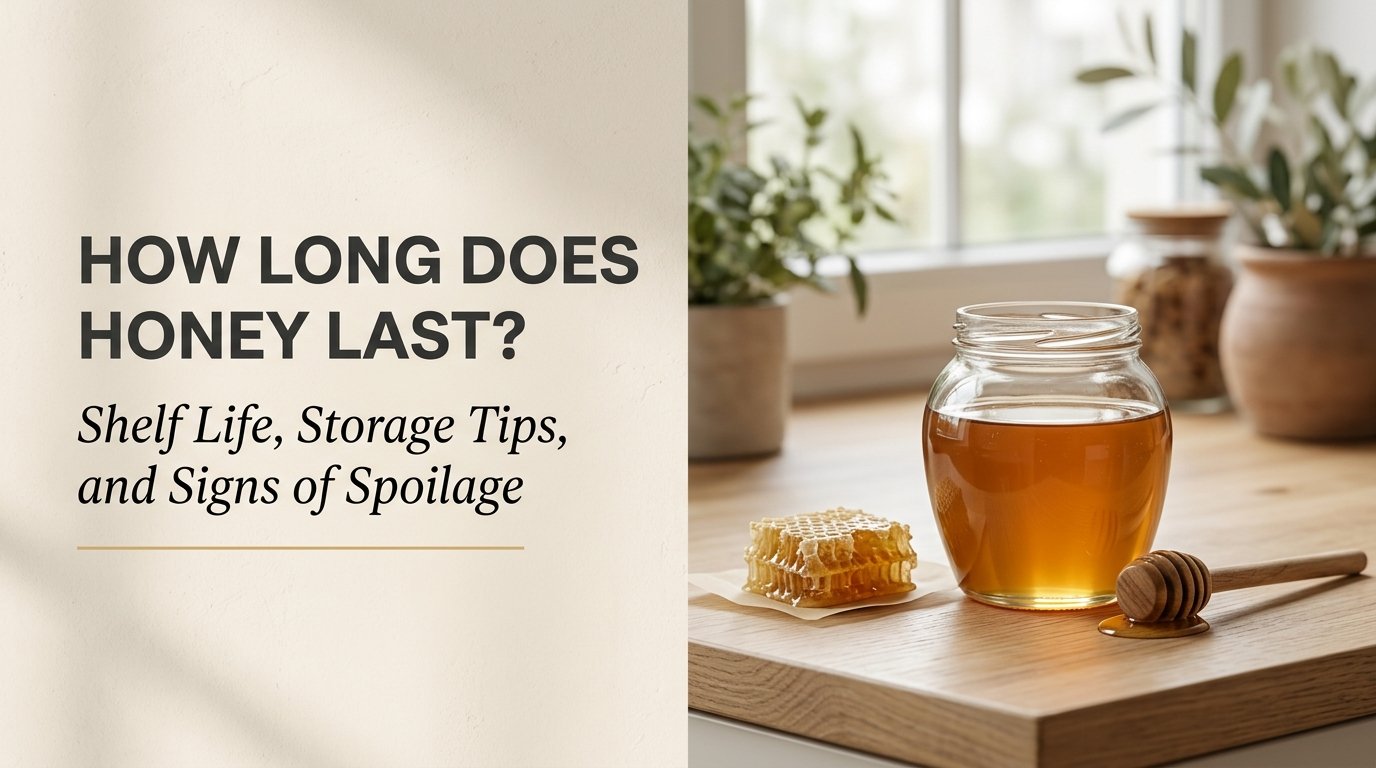
How Long Does Honey Last? Shelf Life, Storage Tips, and Signs of Spoilage
Honey that is sealed, dry and clean can last for years, and well kept pure honey can stay usable long after the date printed on the jar. That is the
Mad honey, the rare, reddish honey made from rhododendron nectar and known for its mild psychoactive Mad honey, the rare, reddish honey made from rhododendron nectar and known for its mild psychoactive effects, has developed a global following among curious food enthusiasts and alternative wellness fans. If you’re in Australia and wondering whether you can legally buy, import, or sell it, the honest answer isn’t a simple yes or no. This guide walks through exactly which laws and agencies actually govern mad honey in Australia, cites the specific regulatory instruments involved, and explains what to check before you order a jar.
There is no dedicated Australian law that names mad honey or grayanotoxin specifically as a banned or controlled substance. Australia doesn’t classify mad honey under its narcotic or therapeutic drug schedules the way it does cannabis or controlled pharmaceuticals. Checking the official Schedule 23 list of prohibited plants and fungi directly, rhododendron, the source plant for mad honey, is not named on it, though a closely related plant in the same family, mountain laurel, is. In that narrow sense, mad honey isn’t illegal simply by virtue of what it is. However, honey, including mad honey, falls under Australia’s general food safety and biosecurity framework, specifically the Australia New Zealand Food Standards Code and the Biosecurity Import Conditions system (BICON), both of which apply real scrutiny to any honey entering the country. Whether a specific shipment clears these hurdles depends on documentation, labeling accuracy, and what the honey actually contains, not on a single explicit rule about mad honey by name.
To understand mad honey’s status, it helps to know which legal system actually governs it, since there are two separate frameworks that could theoretically apply.
Controlled substance law, covering drugs like cannabis and prescription medications, operates through Commonwealth and state drug schedules. Grayanotoxin has never been scheduled under this system, and mad honey has never been classified as a drug.
Food safety and biosecurity law governs everything sold or imported as food in Australia, primarily through the Australia New Zealand Food Standards Code, jointly administered by Food Standards Australia New Zealand (FSANZ), and the Biosecurity Act 2015, administered by the Department of Agriculture, Fisheries and Forestry (DAFF). This is the system mad honey actually falls under, the same one governing every jar of honey sold in the country.
Because mad honey has never been scheduled as a drug, it’s regulated as a food product, not restricted as a controlled substance. That distinction is the core reason it isn’t outright illegal, while still being subject to real, enforceable conditions.
Schedule 23, Prohibited Plants and Fungi. The Food Standards Code includes Schedule 23, which lists specific plants and fungi prohibited as food for sale in Australia under Standard 1.4.4, including any part, derivative, or substance derived from a listed plant. This is the mechanism Australia uses to ban specific botanical substances from the food supply. Having checked the current official Schedule 23 list directly, Rhododendron is not named on it. Notably, Kalmia latifolia (mountain laurel), a closely related Ericaceae-family plant that also produces grayanotoxins, is specifically listed as prohibited. That distinction matters: Australian regulators have clearly considered grayanotoxin-producing plants in this family before, since a close botanical relative made the list, but rhododendron itself, the source plant for mad honey, currently has not. This doesn’t mean mad honey is automatically cleared for import, since general food safety and biosecurity provisions can still apply to a product independent of Schedule 23, but it does mean there is no explicit, name-based prohibition on the plant mad honey actually comes from.
The Biosecurity Import Conditions system (BICON). All honey entering Australia, regardless of variety, must meet import conditions set through BICON, which governs pest and disease risk, testing, and labeling requirements for agricultural imports. Honey with an unusual composition, such as elevated levels of a naturally occurring compound, can reasonably attract closer inspection than standard commercial honey, independent of any explicit ban.
The Imported Food Control Order 2019. This order classifies certain imported foods as “risk food,” subject to increased inspection under the Imported Food Inspection Scheme. Whether a specific mad honey shipment falls into this category depends on its classification and documentation at the time of import.
Precedent from tutin in honey. Australia and New Zealand have direct regulatory precedent for exactly this kind of issue. FSANZ has previously set maximum limits for tutin, an unrelated but structurally comparable natural neurotoxin that can contaminate New Zealand honey when bees forage near certain plants. This shows the regulatory system is capable of setting specific numeric limits for naturally occurring toxins in honey when the evidence supports it, which is relevant context for how grayanotoxin could eventually be treated if it becomes a bigger focus of regulatory attention.
Search this topic and you’ll find real disagreement. Some retailers describe mad honey as straightforwardly legal in Australia. Others describe it as one of the stricter jurisdictions globally. Some frame it as a legal grey area that could tighten if regulators decide it poses a public health risk.
This inconsistency exists partly because mad honey is a niche product that hasn’t received dedicated, product-specific regulatory attention the way better-known substances have. A meaningful share of the information circulating online comes from mad honey retailers with a commercial interest in presenting the legal picture favorably, rather than from independent legal or government sources. That’s worth keeping in mind when researching this topic anywhere, including on pages like this one.
Even without an explicit ban, there are real, practical considerations:
Customs and biosecurity holds. Shipments lacking proper documentation, accurate labeling, or biosecurity compliance can be held, tested, or destroyed at the border, independent of whether the underlying product is legal.
Unregulated potency. Because grayanotoxin content isn’t standardized the way pharmaceutical dosing is, there’s no reliable way to know a given batch’s strength without lab testing. This creates a genuine health consideration separate from the legal question. Our full mad honey dosage guide covers how to approach this safely.
Therapeutic claims. Sellers advertising mad honey with medical or therapeutic claims, such as treating high blood pressure, risk running into Australia’s therapeutic goods regulations, which strictly control health claims made about consumable products.
Regulatory change. Because mad honey remains relatively unfamiliar to most regulators, its treatment could shift if health authorities decide closer oversight is warranted. What’s accurate today isn’t guaranteed to remain accurate indefinitely.
The honest answer is a qualified one. Mad honey isn’t explicitly prohibited in Australia, but it isn’t a freely available, zero-friction product either. It’s subject to the same food safety and biosecurity framework as any other honey, applied with Australia’s typically strict approach to imported agricultural products, especially anything with an unusual composition.
If you’re considering purchasing mad honey in Australia or having it shipped there, the safer approach is to:
Yes, we ship worldwide, including to Australia. That said, shipments to Australia are still subject to the same biosecurity and food safety framework described throughout this guide, documentation, labeling, and BICON conditions apply the same way regardless of which seller you order from. We recommend reviewing the guidance above before ordering, and checking current FSANZ and DAFF requirements yourself if you want full certainty for your specific situation.
Australia’s approach shares real similarities with how the United States treats mad honey: not a controlled substance, but still governed by general food safety law rather than a dedicated exemption. Australia’s biosecurity system is generally considered stricter at the border than US customs processes for food imports. Our full breakdown of the US situation is available in is mad honey legal in the USA.
Q: Is rhododendron, the plant mad honey comes from, on Australia’s prohibited plant list?
A: No. Checking the official Schedule 23 list directly, rhododendron is not named as a prohibited plant. A closely related plant in the same family, mountain laurel (Kalmia latifolia), which also produces grayanotoxins, is specifically listed. This means there’s no explicit, name-based ban on mad honey’s source plant, though general food safety and biosecurity rules can still apply.
Q: Is mad honey specifically banned in Australia?
A: No dedicated law names mad honey or grayanotoxin as banned. It’s regulated under general food safety and biosecurity law rather than drug law.
Q: Which Australian government bodies actually regulate mad honey?
A: Food Standards Australia New Zealand (FSANZ) sets food composition and labeling standards. The Department of Agriculture, Fisheries and Forestry (DAFF) manages biosecurity import conditions through BICON. State and territory food safety authorities enforce compliance at the point of sale.
Q: Can mad honey be seized at Australian customs?
A: Yes, if a shipment lacks proper documentation, accurate labeling, or biosecurity compliance, it can be held, tested, or destroyed at the border, regardless of the product’s underlying legal status.
Q: Is there a specific safety limit for grayanotoxin in Australian honey?
A: Not currently, unlike tutin, for which FSANZ has set specific maximum limits. This is a gap in the current regulatory framework, not evidence that grayanotoxin is officially permitted at any level.
Q: Are online claims about mad honey’s legality in Australia reliable?
A: Treat them with caution. Much of the information circulating comes from sellers with a commercial interest in presenting the legal picture favorably. Verify directly through FSANZ and DAFF’s official resources.
Q: How is Australia’s approach different from the US approach to mad honey?
A: Both treat it as a food product rather than a controlled substance, but Australia’s biosecurity import system is generally stricter at the border than typical US customs processes for food.
This article is for general informational purposes only and does not constitute legal advice. Regulations can change, so always verify current requirements through official Australian government sources before importing or purchasing mad honey.
Honey that is sealed, dry and clean can last for years, and well kept pure honey can stay usable long after the date printed on the jar. That is the
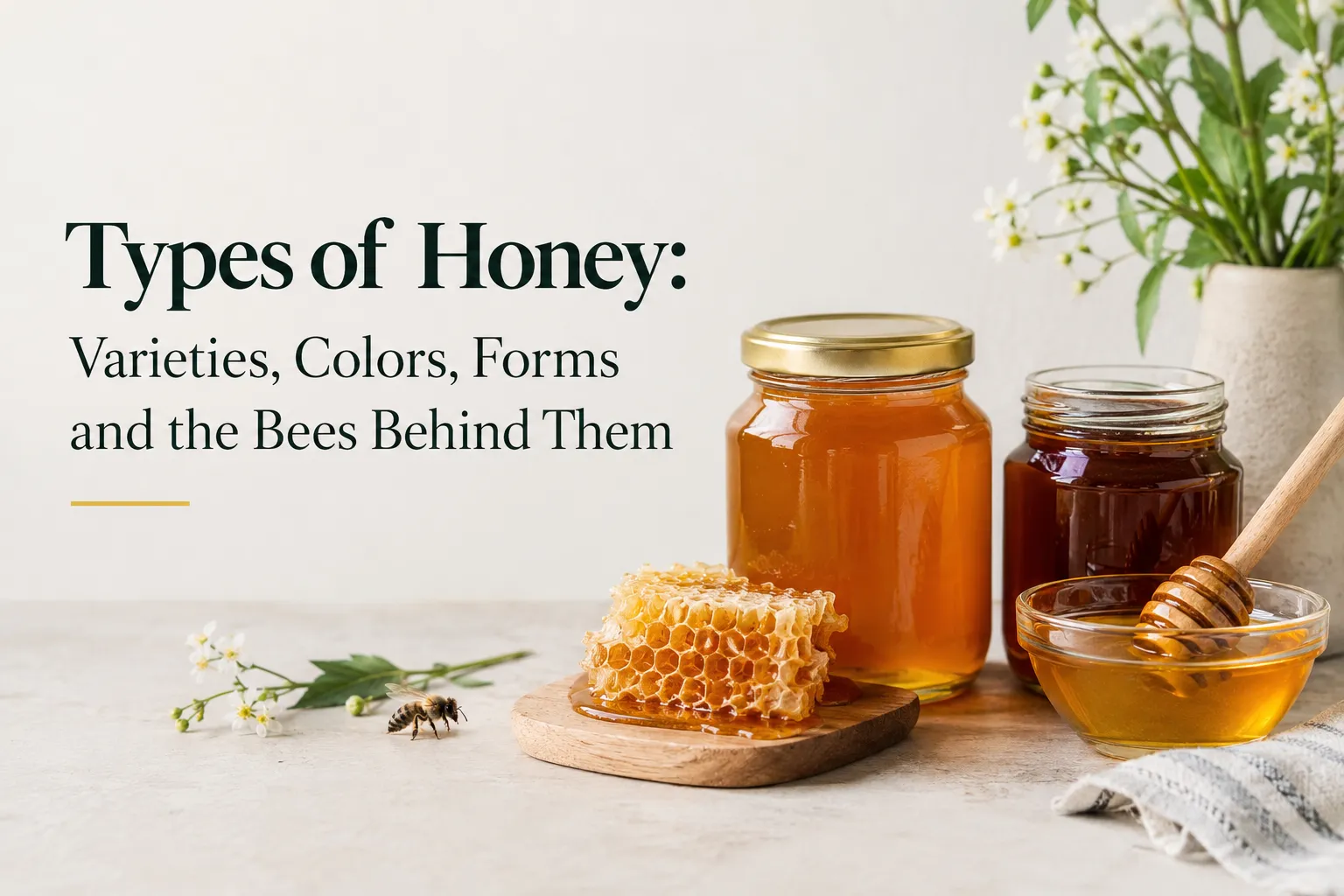
There are four ways to sort the types of honey: by the flower the bees visited, by color, by form such as raw or creamed, and by the species of
Honey benefits for men are real but modest. The best human evidence shows that honey can lower fasting blood sugar and cholesterol when it replaces other sugar, and that it