

How Long Does Honey Last? Shelf Life, Storage Tips, and Signs of Spoilage
Honey that is sealed, dry and clean can last for years, and well kept pure honey can stay usable long after the date printed on the jar. That is the
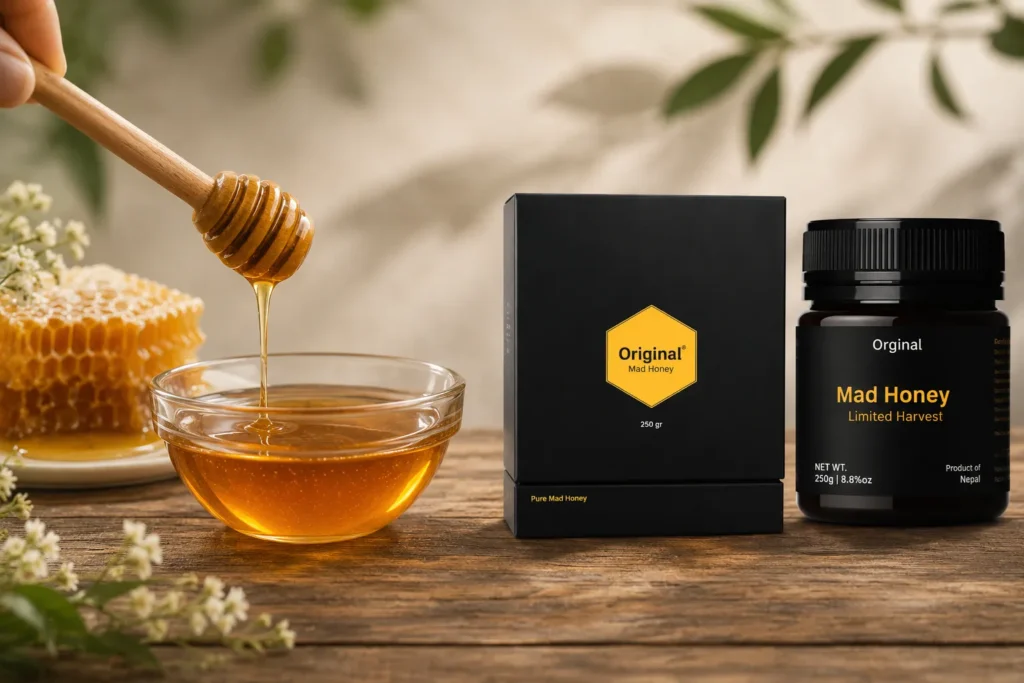
You found a jar of honey at the back of the pantry. It’s cloudy, maybe a little darker than you remember, and you have no idea how long it’s been there. Before you toss it or eat it, here’s a practical way to actually check, not just a general “honey lasts forever” answer, but the specific things to look for, smell for, and taste for, and what each result actually means.
Honey can go bad, but it’s rare, and it almost always comes down to one thing: moisture getting into the jar and triggering fermentation. The three real signs of spoiled honey are a sour or alcoholic smell, foam or bubbling on the surface, and visible mold. If none of those are present, your honey is fine to eat, even if it’s cloudy, crystallized, or years past its printed date. Crystallization, darkening, and a deeper flavor over time are all normal changes, not spoilage, and none of them mean the honey needs to be thrown out.
This is the fastest way to actually answer the question for the jar in front of you.
1. Look at it. Cloudiness, graininess, or a solid, sugary texture are signs of crystallization, a completely normal process, not spoilage. What you’re actually checking for here is mold, which shows up as a distinct fuzzy patch, usually on the surface, and is easy to visually distinguish from normal crystallization once you know what to look for.
2. Smell it. Fresh honey smells floral, sweet, sometimes slightly caramel-like depending on the variety. If it smells sour, yeasty, or alcoholic, that’s fermentation, and it’s the single most reliable early warning sign of honey that’s actually gone bad.
3. Taste a small amount. Real honey tastes sweet, sometimes with a bitter or earthy note depending on the floral source. A sour, fizzy, or distinctly alcoholic taste confirms fermentation. If it tastes clearly off in a way that doesn’t match the honey’s normal flavor profile, don’t finish the jar.
If your jar passes all three checks, it’s good to eat, regardless of how old it is or what the printed date says.
Honey resists spoilage because of its low water content, high sugar concentration, and natural acidity, which together make it a poor environment for bacteria and mold. Genuine spoilage happens almost exclusively when that balance is disrupted by added moisture.
Fermentation is the main mechanism. Raw honey naturally contains trace wild yeast. In a properly sealed jar with normal moisture content, that yeast stays dormant indefinitely. But if water gets in, whether from condensation, a poorly sealed lid, or scooping with a wet spoon, the added moisture can activate the yeast, which then ferments the honey’s natural sugars into alcohol and carbon dioxide. That’s exactly what produces the foam, bubbling, and sour smell that signal spoiled honey.
Mold is much rarer and generally requires more significant moisture contamination combined with time. Visible mold growth is a clear, unambiguous sign to discard the jar.
Cross-contamination from double-dipping a used utensil, or introducing food particles into the jar, can also introduce enough organic material and moisture over time to compromise honey’s natural resistance to spoilage.
A lot of what gets mistaken for “bad honey” is just honey doing what honey naturally does over time.
None of these require throwing the jar away. They’re closer to how a fine wine or aged cheese changes over time than food actually going bad.
| Sign | What It Means | Action |
|---|---|---|
| Cloudy or grainy texture | Crystallization (normal) | Keep it, warm gently if you want it liquid again |
| Darker color than before | Natural Maillard aging (normal) | Keep it, still safe to eat |
| Sour or alcoholic smell | Fermentation | Discard |
| Foam or bubbling on top | Fermentation | Discard |
| Fuzzy patch or visible mold | Mold contamination | Discard immediately |
| Bulging or popped lid | Active fermentation gas buildup | Discard |
| Slightly different taste than usual | Often just batch or age variation | Taste-test carefully; discard only if sour or fizzy |
Raw, unfiltered honey follows the exact same rules as any other honey, and if anything, it’s more prone to visible crystallization since it hasn’t been heat-processed to slow that process down. That’s a quality trait, not a defect.
Mad honey behaves the same way in terms of spoilage resistance. Its sugar concentration, acidity, and low moisture content give it the same natural resistance to fermentation and mold as ordinary honey. The one thing that’s different with mad honey specifically isn’t spoilage risk, it’s potency. Its grayanotoxin content can gradually soften with prolonged heat and light exposure, which is a freshness consideration rather than a safety one. We cover that distinction in full in our guide on whether honey actually expires.
Q: How can I quickly tell if my honey has gone bad?
A: Check for a sour or alcoholic smell, foam or bubbles on the surface, or visible mold. If none of those are present, the honey is safe to eat, regardless of its age or how cloudy it looks.
Q: Is crystallized honey bad?
A: No. Crystallization is a completely normal, reversible process where sugar naturally separates out of solution. It has no bearing on whether the honey is safe to eat.
Q: My honey smells slightly different than when I bought it. Is that a problem?
A: Not necessarily. Honey’s flavor and aroma can deepen naturally over time. Only a genuinely sour, yeasty, or alcoholic smell signals actual spoilage.
Q: What happens if I eat slightly fermented honey by accident?
A: A small amount of mildly fermented honey is unlikely to cause serious harm, since fermentation is essentially the same process used to make mead, but it won’t taste right and shouldn’t be eaten regularly. Discard honey that shows clear fermentation signs.
Q: Can mad honey ferment or grow mold the same way regular honey can?
A: Yes, it follows the same spoilage mechanics as any raw honey. What’s unique to mad honey is that its psychoactive potency, not its safety, can gradually soften over time with heat and light exposure.
Q: Should I throw out honey just because it’s past the date on the label?
A: No. The printed date reflects peak quality, not a safety cutoff. Use the look, smell, and taste check instead of the date to judge whether a jar is still good.
Original Mad Honey jars come with a harvest date and batch lab report, so you always know exactly what you’re looking at, not just whether it’s safe, but how fresh it actually is.
Honey that is sealed, dry and clean can last for years, and well kept pure honey can stay usable long after the date printed on the jar. That is the
There are four ways to sort the types of honey: by the flower the bees visited, by color, by form such as raw or creamed, and by the species of
Honey benefits for men are real but modest. The best human evidence shows that honey can lower fasting blood sugar and cholesterol when it replaces other sugar, and that it