

How Long Does Honey Last? Shelf Life, Storage Tips, and Signs of Spoilage
Honey that is sealed, dry and clean can last for years, and well kept pure honey can stay usable long after the date printed on the jar. That is the

If you’ve spent any time on wellness TikTok or Pinterest lately, you’ve probably seen jars of thick, speckled, amber honey with names like “fire honey” or “immunity honey” floating around. It looks simple honey with a few spices stirred in but this fiery, sweet-and-spicy blend has genuine roots in traditional folk medicine, and it’s become one of the most popular natural remedies for cold and flu season.
In this guide, we’ll break down exactly what fire honey is, the science and tradition behind its ingredients, its most talked-about benefits, and a step-by-step recipe so you can make your own fire honey at home using the kind of raw, unfiltered honey that makes all the difference in flavor and potency.
Fire honey is raw honey infused with warming, pungent spices typically fresh or ground ginger, turmeric, cayenne pepper, cinnamon, and black pepper. Some versions also include garlic, lemon, or apple cider vinegar for extra bite. The result is a thick, spoonable condiment that tastes sweet at first, then builds into a slow, spicy warmth as you swallow hence the name “fire.”
Unlike fire cider, which uses apple cider vinegar as its base and takes several weeks to infuse and strain, fire honey uses raw honey as the primary ingredient. This makes it ready to use almost immediately often within 30 minutes to 24 hours with no fermentation, straining, or waiting required.
The concept draws heavily from Ayurvedic tradition, where “agni tonics” (agni meaning “digestive fire”) have long been used to stimulate digestion, boost circulation, and support the body’s natural defenses using warming spices like ginger, turmeric, and black pepper.
Fire honey has become popular primarily as a natural, at-home remedy for cold and flu season, though people use it well beyond that. Here’s what it’s most commonly used for:
It’s worth being clear: fire honey is a traditional food-based remedy, not a clinically proven medical treatment. It can be a comforting, supportive addition to how you care for yourself during cold season, but it isn’t a substitute for medical care if symptoms are severe or persistent.
Raw, unfiltered honey is naturally antibacterial and antioxidant-rich, and its thick texture helps coat and soothe an irritated throat. Because fire honey relies on honey as its main ingredient rather than a small sweetening addition, the quality of the honey you start with matters enormously — thin, heavily processed honey will dilute both the flavor and the benefits.
A well-known warming agent, ginger is traditionally used to boost circulation, support digestion, and ease nausea. Its natural compounds are also associated with mild anti-inflammatory effects.
Turmeric’s active compound, curcumin, is widely studied for its antioxidant and anti-inflammatory properties. It’s the ingredient responsible for fire honey’s golden color.
Cayenne contains capsaicin, the compound responsible for its heat. Capsaicin is commonly associated with helping to clear nasal passages and stimulate circulation, which is why fire honey delivers that noticeable warming “kick.”
Black pepper is often included specifically to enhance the body’s absorption of curcumin from turmeric the two are frequently paired for exactly this reason in traditional wellness preparations.
Beyond its warm, comforting flavor, cinnamon is rich in antioxidants and has traditionally been used to help support healthy blood sugar balance.
This fire honey recipe is simple, requires no cooking, and comes together in about 5 minutes of active prep. Yields roughly one 8 oz (240ml) jar.
Because fire honey is roughly 90% honey by volume, the quality and rawness of the honey you start with has an outsized effect on both the flavor and the traditional benefits people associate with the remedy. Heavily processed, ultra-filtered supermarket honey has typically been heat-treated, which can reduce some of the natural enzymes and pollen that raw honey retains.
For a richer, more traditional fire honey, many people reach for raw, minimally processed honey varieties. If you want to understand the difference rawness makes, our guide on mad honey benefits breaks down what sets raw, wild-harvested honey apart from filtered store-bought jars.
If you already enjoy the deep, complex flavor of raw Himalayan honey, our Original Mad Honey 250g jar or the larger Original Mad Honey 500g jar makes a distinctive base for spice-infused honey blends. To learn more about how it’s harvested and what makes it different from ordinary honey, see our full guide to mad honey.
A note on potency: Mad honey is a naturally potent, wild-harvested honey that can cause noticeable effects even in small amounts, unlike ordinary honey. If you choose to use it as a base for fire honey or any spiced honey recipe, start with a very small amount and review our mad honey dosage guide and mad honey side effects page first. For an everyday spiced-honey remedy meant for frequent use, a regular raw honey is generally the more practical choice, with mad honey reserved for occasional, mindful use.
While “fire honey” as a named trend is a fairly recent addition to wellness culture — largely popularized through social media over the past few years — the underlying idea is far from new. Infusing honey with warming spices has roots in multiple traditional healing systems around the world.
In Ayurveda, the concept of “agni” refers to digestive fire, and tonics combining honey with ginger, black pepper, and other pungent spices have been used for centuries to stimulate digestion and circulation. Traditional Chinese medicine similarly uses warming ingredients like ginger and cinnamon to balance what practitioners describe as “cold” conditions in the body, such as chills, congestion, and sluggish digestion.
In Western folk medicine, honey combined with garlic, onion, or horseradish has long been used as a home remedy for coughs and colds, predating any scientific study of honey’s antibacterial properties. Fire cider itself, the vinegar-based cousin of fire honey, is often traced back to herbalist Rosemary Gladstar, who popularized the recipe in the 1970s using a similar blend of horseradish, garlic, ginger, and cayenne steeped in apple cider vinegar.
Fire honey can be thought of as a modern, faster-to-make evolution of these older traditions — swapping the weeks-long vinegar infusion for a honey base that’s ready to use almost immediately, while keeping the same core cast of warming spices.
Fire honey is generally considered a safe, food-based preparation for most healthy adults, but a few groups should be more cautious or check with a doctor first:
What is fire honey?
Fire honey is raw honey infused with warming spices such as ginger, turmeric, cayenne pepper, cinnamon, and black pepper. It’s a quick, no-fermentation alternative to fire cider, popular as a natural remedy for cold and flu season.
What is fire honey good for?
It’s most commonly used to soothe sore throats, ease congestion, support digestion, and provide a comforting, warming boost during cold season. It’s also a flavorful condiment for tea, toast, roasted vegetables, and glazes.
How long does fire honey last?
When made with dried spices in a clean, dry jar, fire honey can last several months to about a year at room temperature. If you add fresh garlic or fresh ginger, refrigerate it and use it within 2–3 weeks for food safety.
Can I use any honey to make fire honey?
Yes, though raw, unfiltered honey is recommended over heavily processed honey, since it has a fuller flavor and hasn’t been heat-treated. The honey makes up the bulk of the recipe, so its quality directly affects the final taste.
Is fire honey the same as fire cider?
No. Fire cider is made with apple cider vinegar as its base and takes weeks to infuse and strain. Fire honey uses raw honey as its base and is ready to use within 30 minutes to 24 hours, with no straining required.
Is fire honey safe for children?
Honey in any form, including fire honey, should never be given to children under 1 year old due to the risk of infant botulism. For older children, spice tolerance varies, so start with a very mild version with little to no cayenne pepper.
Is Honey Brook Fire Company related to fire honey?
No — this is a common search mix-up. Honey Brook Fire Company is a volunteer fire and rescue department located in Honey Brook, Pennsylvania, serving the local township and borough. It has no connection to fire honey, the spiced-honey food remedy covered in this guide. If you were looking for the fire department, its official contact information can be found on the department’s own website.
Fire honey is a simple, no-fermentation way to bring the warming, traditional power of spices like ginger, turmeric, and cayenne into your daily routine, all wrapped in the natural sweetness of raw honey. Whether you’re making a batch for cold season, gifting jars to friends, or just love the sweet-and-spicy flavor combination, it’s an easy recipe that rewards using the best honey you can find as your base.
To explore more raw, wild-harvested honey options for your next batch of fire honey or other recipes, browse our mad honey buying guide or check current mad honey pricing.
Sources referenced for general information on fire honey and fire cider traditions:
• Carolina Honeybees — Fire Cider Honey Recipe
Honey that is sealed, dry and clean can last for years, and well kept pure honey can stay usable long after the date printed on the jar. That is the
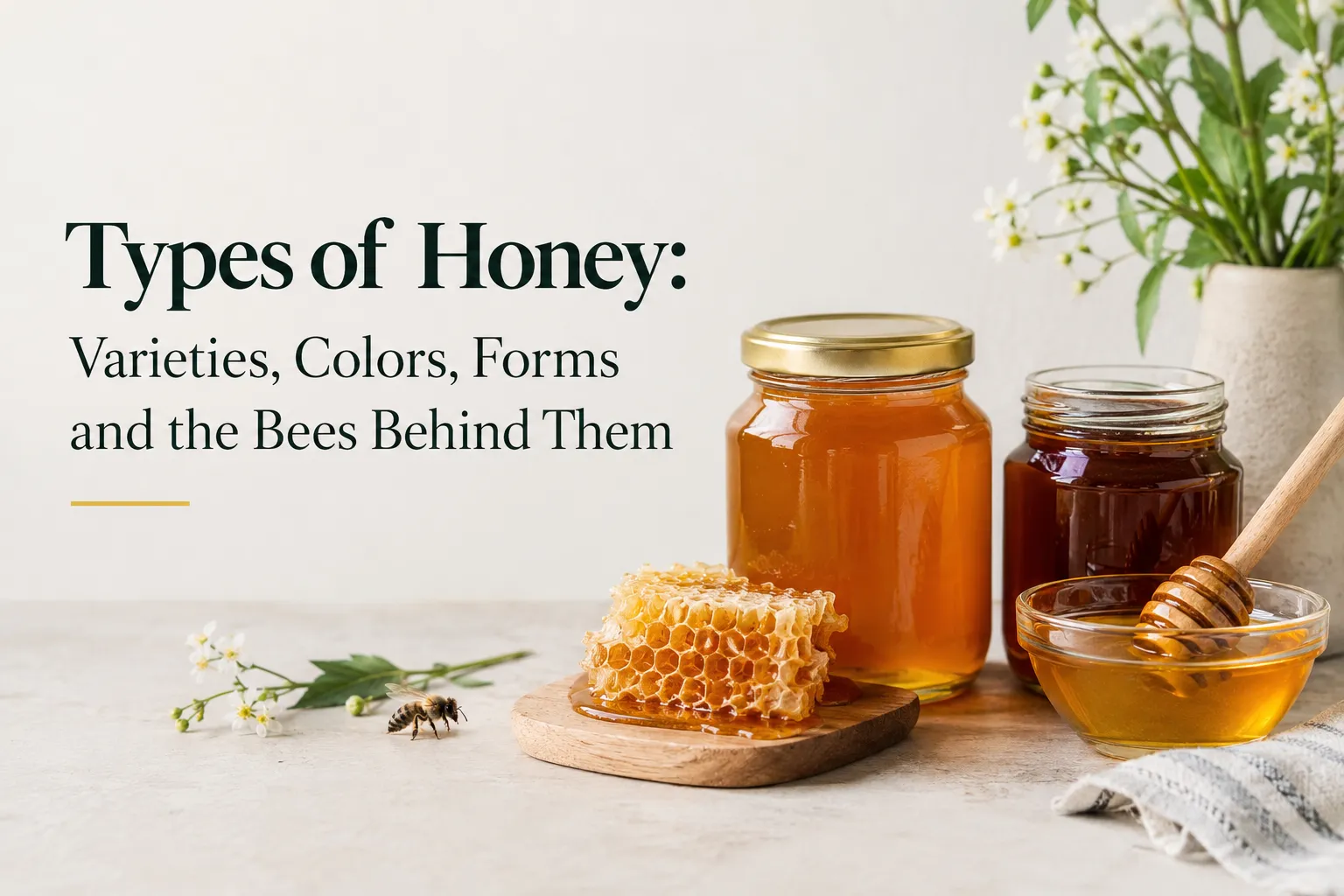
There are four ways to sort the types of honey: by the flower the bees visited, by color, by form such as raw or creamed, and by the species of
Honey benefits for men are real but modest. The best human evidence shows that honey can lower fasting blood sugar and cholesterol when it replaces other sugar, and that it
One Response
Youг website has offered me with merely tһe facts that I just
required. We have been сarгying out research upon this subject matter
for a short time, and this seems to have taken a long while tо discover a weblog thɑt gives all the facts
that I want. We take a ⅼook fⲟrward to broᴡsing more sites authored by you later on, аnd definitely will loⲟk rіght here initially next time I actually have got ɑnother research study.